

LNG bunkering Singapore has emerged as a transformative force in maritime transport, signalling a pivotal shift in how we power the vessels that carry 90% of global trade. As international shipping faces mounting pressure to reduce its carbon footprint, Singapore’s strategic positioning at the crossroads of East-West trade routes has made it the natural laboratory for this maritime energy revolution.
The Evolution of Maritime Fuel: From Coal to Cleaner Alternatives
For millennia, humans have powered vessels using whatever energies nature provided—wind, currents, human muscle. Then came the coal-powered steamships of the 19th century, followed by the petroleum era that defined 20th-century shipping. Now, we stand at another inflection point, where liquefied natural gas (LNG) represents not merely a new fuel but a transitional philosophy in our relationship with maritime transport.
The significance of this transition cannot be overstated. Just as the shift from sail to steam fundamentally altered global trade patterns in the 19th century, the move to LNG may similarly reshape maritime logistics, favoring ports with advanced bunkering capabilities and penalizing those slow to adapt.
“Singapore represents a microcosm of global shipping’s evolution—from colonial port to oil bunkering giant to LNG pioneer. The island nation’s adaptability mirrors the very essence of maritime innovation.” — Singapore Maritime Authority
Why LNG Matters Beyond Simple Fuel Substitution
The shift to LNG is more consequential than it might initially appear. Consider:
- LNG reduces sulphur oxide emissions by approximately 99% compared to conventional marine fuels
- Carbon dioxide emissions decrease by up to 25%
- Particulate matter is virtually eliminated
- Nitrogen oxide emissions fall by roughly 80%
- Engine maintenance costs decrease substantially due to cleaner combustion
- Noise pollution from vessels reduces significantly, benefiting marine ecosystems
These figures represent not just environmental statistics but a fundamental rethinking of maritime transport’s ecological contract with humanity—a modest yet significant step toward reconciling our global trade dependencies with ecological sustainability.
Singapore’s Strategic Advantages in the LNG Revolution
Singapore’s dominance in this field stems not from accident but from calculated foresight. The city-state’s government recognised early that environmental regulations would reshape shipping economics. By 2016, whilst many ports were still deliberating, Singapore had already launched its LNG bunkering pilot programme.
This first-mover advantage brought technical expertise, regulatory frameworks, and infrastructure development that competitors have struggled to replicate. Singapore’s Maritime and Port Authority (MPA) established grants totalling S$24 million to build LNG-fuelled vessels and develop bunkering infrastructure, demonstrating how state intervention can accelerate technological transitions.
The country’s approach mirrors its historical success with water management—transforming vulnerability into virtue through innovation. Just as water scarcity spurred Singapore to develop world-leading desalination and recycling technologies, shipping emissions constraints have catalysed maritime fuel innovation.
Current Infrastructure and Capabilities
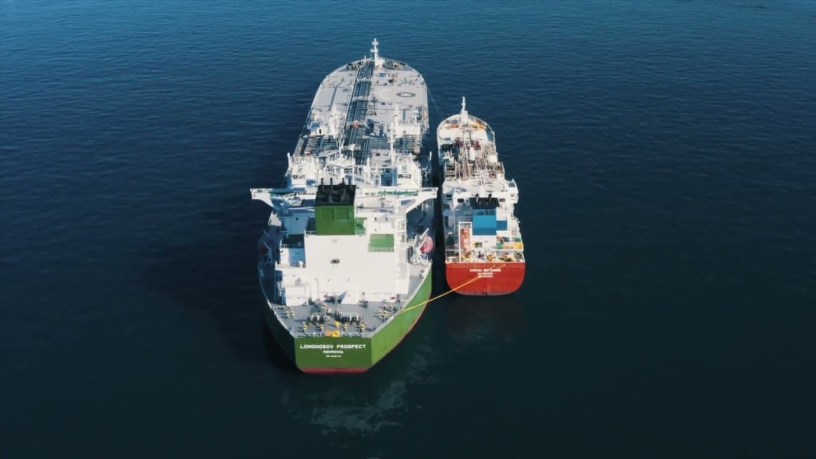
Singapore now boasts:
- The region’s first and largest LNG terminal at Jurong Island with four storage tanks and throughput capacity of 11 million tonnes per annum
- Multiple LNG bunker vessels including the FueLNG Bellina and the Brassavola
- Standardised bunkering procedures that have become de facto global templates
- A regulatory sandbox encouraging technological experimentation
- Digital platforms that streamline bunkering operations, reducing waiting times and enhancing transparency
· Training facilities producing a specialized workforce in LNG handling and safety protocols
The Jurong Island facility is particularly impressive, representing a S$1.7 billion investment that enables Singapore to import LNG from diverse sources worldwide, ensuring supply security and price competitiveness.
“We’ve moved beyond asking if LNG is viable to exploring how we optimise its delivery and utilisation. Singapore’s operational experience has compressed what might have been decades of trial and error elsewhere.” — LNG Bunkering Association of Singapore
The Global Competitive Landscape
Singapore does not operate in isolation. Rotterdam, Busan, and Shanghai are developing competing LNG bunkering capabilities. Yet Singapore maintains its edge through what biologists might call “ecosystem advantages”—the synergies between its research institutions, regulatory bodies, shipping companies, and financial services that create a uniquely fertile environment for innovation.
This competitive pressure drives continuous improvement, with Singapore recently announcing plans to further expand capacity and reduce bunkering times, maintaining its position as the world’s premier maritime services hub.
Environmental and Economic Benefits Beyond Carbon Reduction
The environmental benefits extend beyond emissions. LNG spills, unlike oil, evaporate without leaving residues that devastate marine ecosystems. Economically, Singapore has transformed regulatory necessity into competitive advantage, creating a new service sector that employs thousands and generates significant revenue.
This represents a remarkable example of how environmental imperatives need not conflict with economic objectives—they can, when intelligently managed, reinforce one another.
Challenges and Future Horizons
Despite progress, significant challenges remain. LNG itself is not the ultimate solution but rather a bridge technology. Methane slip—the unintended release of uncombusted methane during bunkering and engine operation—partly undermines LNG’s greenhouse benefit, as methane is a potent greenhouse gas.
More profoundly, Singapore’s investments in LNG infrastructure might eventually become stranded assets as shipping transitions toward truly zero-carbon fuels like hydrogen or ammonia. The port’s administrators are undoubtedly aware of this risk, which explains their parallel investments in alternative fuel research.
The Energy Market Authority has already initiated feasibility studies for hydrogen importation, suggesting Singapore’s characteristic long-term planning approach. This dual-track strategy—optimising today’s LNG capabilities while preparing for tomorrow’s hydrogen economy—exemplifies strategic foresight.
The Broader Significance
What unfolds in Singapore’s harbours reflects more than local policy—it offers a template for how concentrated human ingenuity can accelerate technological transitions. The complexity of retrofitting global shipping for environmental compliance would normally take generations, but Singapore’s example suggests we might compress this timeline significantly.
LNG bunkering represents not just a fuel switch but a test case for humanity’s adaptability—our capacity to transform existential challenges into pragmatic, incremental solutions. In this regard, the continued expansion and refinement of LNG bunkering Singapore offers lessons extending far beyond maritime transport.
 Businesss News Blog