
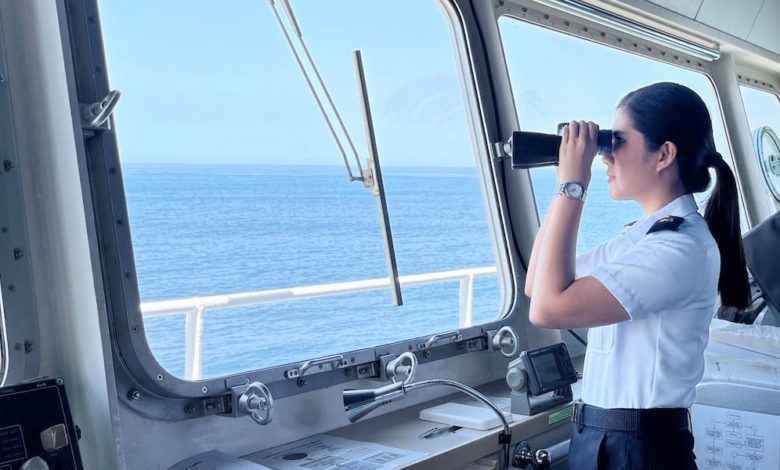
The maritime industry, often associated with tradition and manual labor, is undergoing a radical transformation fueled by digitization and automation. In this article, we will delve into the intricate details of how technology is reshaping shipping logistics and port management, ushering in a new era for maritime operations.
1. Smart Shipping Solutions:
Digital transformation in the maritime industry begins with the vessels themselves. Smart shipping solutions leverage cutting-edge technologies such as Internet of Things (IoT) sensors, artificial intelligence, and data analytics to enhance operational efficiency and safety. These technologies enable real-time monitoring of vessel conditions, fuel consumption, and even crew performance, contributing to smarter decision-making.
2. Autonomous Vessels:
The concept of autonomous vessels, once confined to the realm of science fiction, is becoming a reality. Automation in the maritime industry extends to autonomous ships that can navigate the open seas without direct human intervention. These vessels utilize advanced sensors, machine learning algorithms, and precise GPS systems to ensure safe and efficient navigation, reducing the risk of human errors and enhancing overall maritime safety.
3. Blockchain in Shipping Logistics:
The integration of blockchain technology is revolutionizing the way shipping logistics is managed. Blockchain facilitates transparent and secure transactions, providing an immutable record of each step in the supply chain. This not only reduces the risk of fraud but also streamlines documentation processes, significantly cutting down on the time and resources traditionally required for paperwork in the shipping industry.
4. Port Management Automation:
Ports, often considered the heart of maritime operations, are experiencing a digital makeover. Automated port management systems optimize container handling, cargo tracking, and vessel scheduling. Machine learning algorithms analyze historical data to predict peak times, allowing for efficient resource allocation and reducing congestion at ports. This results in faster turnaround times for vessels and increased overall port productivity.
5. Environmental Sustainability:
The maritime industry’s journey towards digitization is not just about efficiency; it’s also a step towards environmental sustainability. Automated systems and smart technologies enable vessels to optimize fuel consumption, reducing their carbon footprint. Additionally, advanced monitoring tools help in early detection of potential environmental hazards, contributing to the industry’s commitment to preserving marine ecosystems.
6. Cybersecurity Challenges:
While the benefits of digitization and automation in the maritime industry are undeniable, it comes with its set of challenges. The increased reliance on interconnected systems makes the industry susceptible to cyber threats. Maritime cybersecurity is now a crucial aspect of the digital transformation, requiring robust measures to safeguard sensitive data and ensure the uninterrupted flow of maritime operations.
In conclusion, the maritime industry’s voyage to digitization and automation represents a paradigm shift, embracing technology to enhance efficiency, safety, and sustainability. As ships become smarter, ports more automated, and logistics more streamlined, the seas are witnessing a transformation that not only benefits the industry but also charts a course towards a more technologically advanced and sustainable maritime future.
 Businesss News Blog